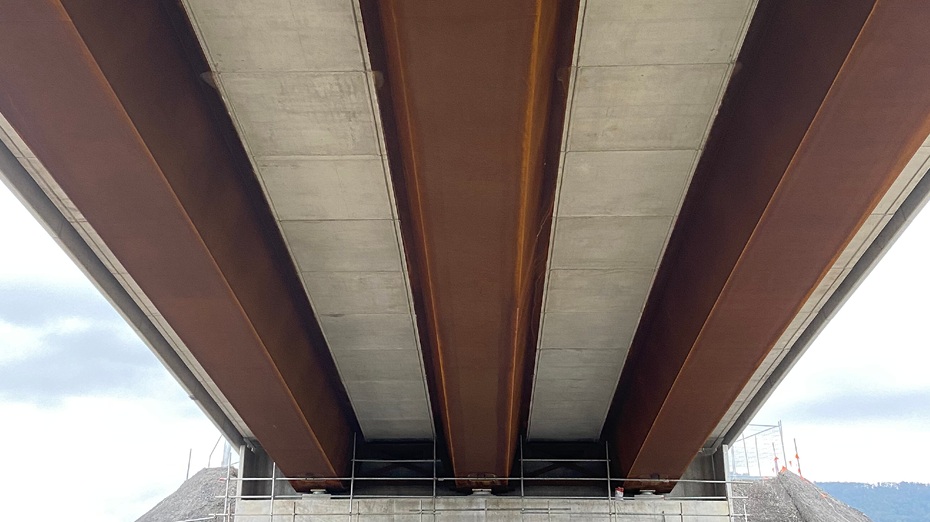
That “grey off-form” may be a structural necessity for commercial construction projects, but modern infrastructure demands more than strength and resilience.
Modern architecture emphasises a unique balance of economic, social, and environmental factors to promote sustainability. It includes integrating environmental factors throughout the entire structure’s lifecycle, from initial planning to end-of-life.
Precast concrete is the most suitable construction material, offering not only strength but also design flexibility, as it is available in a wide range of shapes, forms, colours, and textures. It becomes a canvas for architectural expression.
At Ozcast, we provide precast concrete solutions that blend functional requirements such as strength and durability with aesthetic design.
Formliners: Mimicking Nature (Timber & Stone)
When you think of precast concrete, usually the first thing that comes to mind is a huge block of grey concrete lifted by huge cranes and booms in heavy construction work. But with a formliner, concrete becomes more than a building material. It unlocks concrete’s limitless potential.
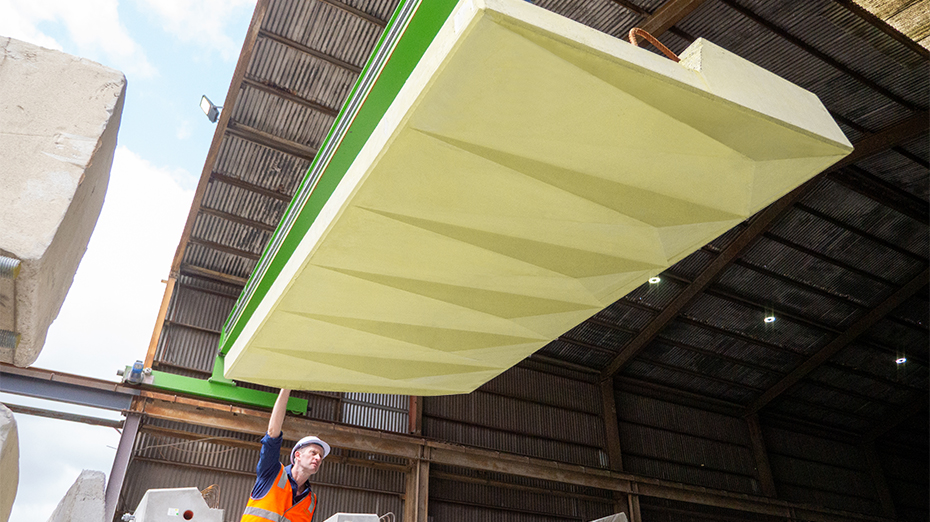
A formliner is a negative mould placed in the casting bed before the concrete is poured. With a formliner, precast concrete can be manufactured that looks and feels like timber or stone, or create different precast elements in various designs, shapes, and textures.
Timber Look
A major trend in construction is creating precast concrete elements that look like real wood. Precast can replicate the exact grain, natural knots, and curls of timber planks, making it ideal for constructing panels and architectural highlights. And the best part, a precast that looks like timber will never rot, warp, or burn. It will retain its appearance for years to come.
Stone Look
If precast can look like real wood, it can also look like real stone. Formliners can be used to create a stacked-stone or rock-face appearance, ideal for retaining walls or noise barriers that blend into bushland or natural settings. And unlike real stone, precast is consistent and more durable, lasting for many years.
Surface Treatments: Exposing the Aggregate
The secret to making precast concrete look like natural elements such as stone and timber is surface treatments or enhancements that happen after the precast has cured. Depending on the expected outcome, precast concrete may be treated using the following techniques:
Sandblasting/Abrasive Blasting
Sandblasting, or abrasive blasting, is a common surface treatment for precast concrete. It uses abrasive materials such as sand, glass beads, or steel shots, firing them at high speed with compressed air to smooth, shape, or etch concrete surfaces. This technique prepares a surface for the application of new coatings or to create a desired textural finish or design [1].
Polishing/Honing
This is a multi-step process that involves grinding and smoothing concrete surfaces with progressively finer diamond abrasives. These techniques create a terrazzo-like finish, perfect for high-end feature columns. Polishing and honing also densify concrete, improving durability and providing protection. The result is a glossy or polished appearance, very smooth, shiny, and textured.
Acid Etching
This is a surface treatment for precast concrete using diluted acid, such as hydrochloric acid, to dissolve surface cement paste and expose the fine aggregates. The result is a durable, moderately textured finish similar to stone with a matte look. Acid etching precast concrete is best for architectural panels, facades, and other decorative elements [2].
Colour and Staining: Beyond Standard Grey
No longer are precast concrete elements grey and dull. With colour and staining techniques, precast becomes more appealing than ever.
Integral Colour (Oxides)
Before wet concrete is poured into form liners, pigment is added to the mix to achieve the desired colour and design [3]. These primary colour oxides are minerals and chromium oxides, which are chemically stable, weather-resistant, and lightfast. These will never fade or peel like regular paint, and if the concrete chips, the colour remains consistent throughout the precast section.
Surface Stains
Applying colour or surface stains to precast concrete is common in renovations, and if specific artistic effects are desired. These stains are acid- or water-based and penetrate the precast surface, creating a durable, long-lasting colour.
Anti-Graffiti Integration
Large precast concrete sections, such as walls and columns, are prone to vandalism and graffiti. Precast manufacturers may add anti-graffiti coatings that create a protective barrier on the surface. Graffiti paint cannot bond deeply or penetrate the precast surface, so it is easier to remove without damaging the concrete.
Custom Geometric Patterns & Placemaking
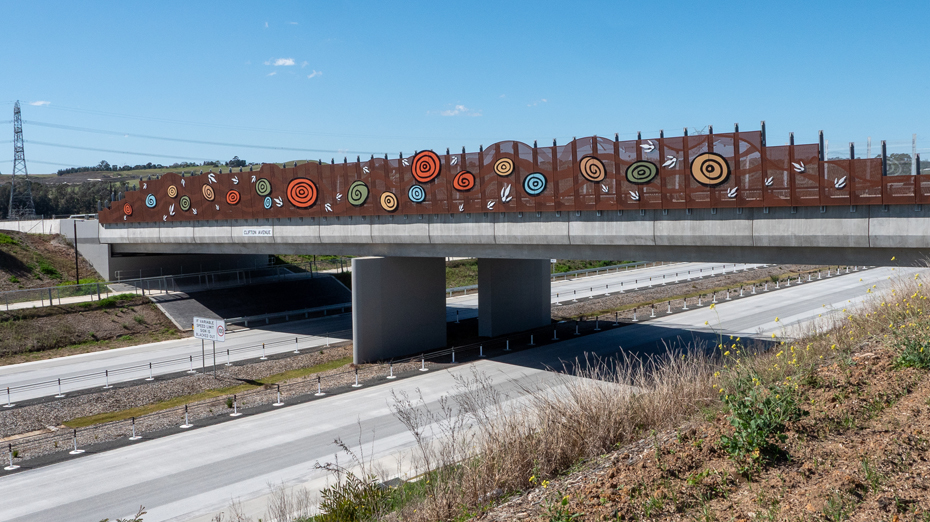
“Placemaking” in precast concrete involves using pre-manufactured components to create public areas with character, cultural identity, or functionality that meet community needs.
Precast concrete applies placemaking by:
- Including design variations (colour, shape, and texture) to liven up urban landscapes.
- Enhancing design to accommodate seating, planters, or cladding panels to serve functional needs.
- Promoting a lighter, cheaper, and quicker improvement to a public space.
Precast is versatile, supporting placemaking goals for meaningful and vibrant public areas.
Ozcast’s advanced moulding techniques help create bespoke geometric shapes, ribs, or 3D art relief. Our expertise in creating unique precast elements allows architects to “sign” their project with a unique texture.
There’s no need to choose between the strength of precast concrete and the elegance and beauty of high-end building materials. Now you can have both with Ozcast Precast.
We craft and install precast units to meet long-lasting performance, strength, and quality while satisfying your vision. Whether it’s for key infrastructure or a commercial installation, we can create precast solutions that promote creativity and life.
Ready to bring your architectural vision to life? Contact Ozcast Precast to explore our sample library and discuss custom moulding for your next project.