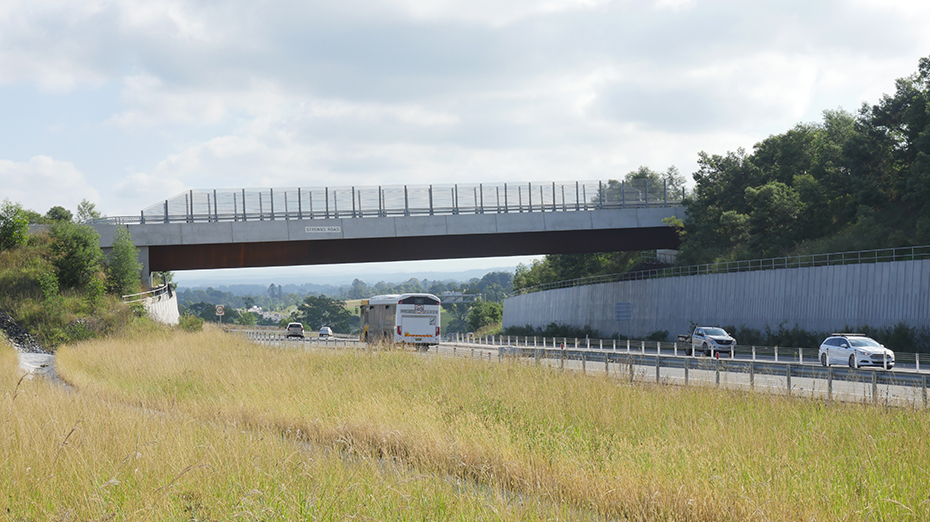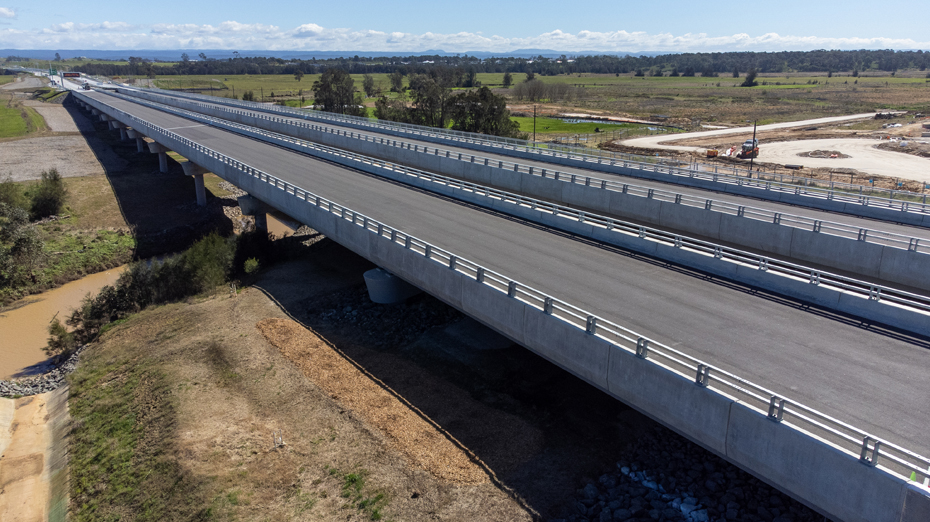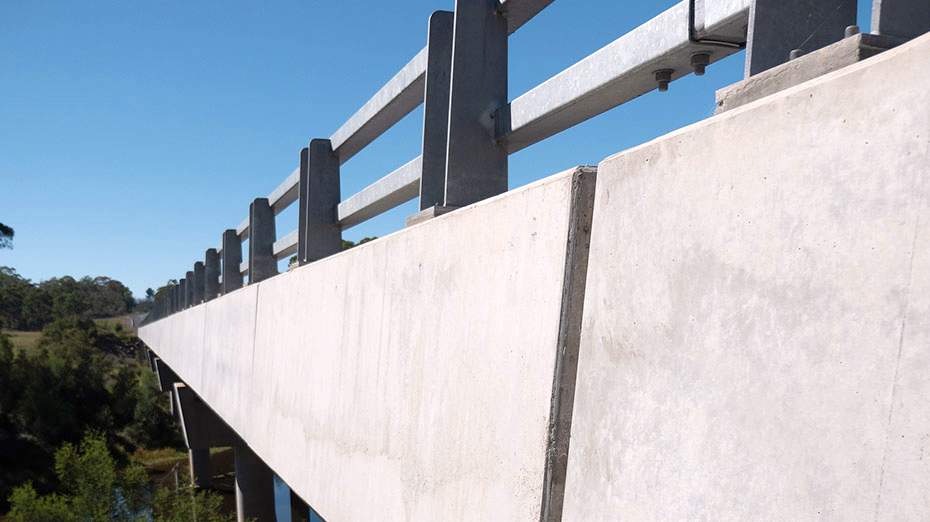
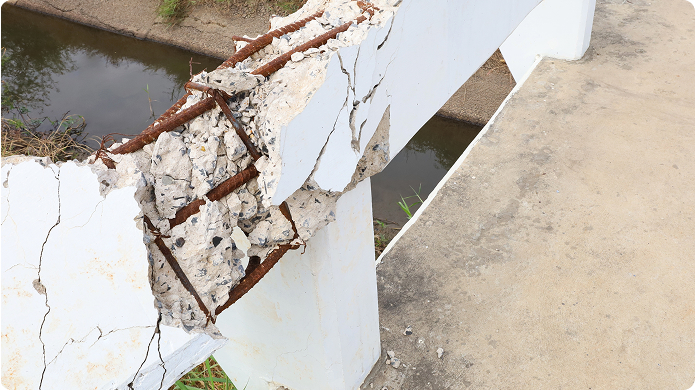
Regular maintenance includes checks and proactive care to preserve structural integrity and visual appeal, greatly reducing lifecycle costs. Despite its durability and strength, precast concrete may gradually degrade without proper maintenance.
Let’s focus on precast concrete maintenance, why it matters, and how to conduct efficient checks and maintenance.
Common Factors That Impact Precast Durability Over Time
Several factors affect the durability of precast concrete. Consider these factors when planning for your regular precast maintenance.
Exposure to harsh weather
Precast concrete installed in outdoor structures or exposed facades, such as those in bridges, multi-storey car parks, and commercial buildings, is constantly exposed to the elements. From harsh rain to scorching UV rays, these factors can cause microcracks and surface fading.
Industrial pollutants or chemicals
Air and water pollution can damage concrete reinforcement and deteriorate the concrete surface, resulting in significant structural integrity issues and visible changes. These effects are common in industrial buildings, factories, and warehouses where industrial pollutants are often present in large volumes.
Poor drainage or water ingress
Car parks, retaining walls, and building basements may retain water due to poor drainage or water ingress. When this occurs, water can seep into concrete structures and damage internal steel reinforcements, significantly compromising the structural integrity of the entire building or structure.
Lack of protective coatings or sealants
Coatings and sealants protect precast concrete structures from moisture, stains, and chemicals. Without these protective coatings, buildings such as those facing the sea or coastal structures become more susceptible to the elements. Protective coatings can significantly extend the life of precast concrete components.
Best Practices for Precast Concrete Maintenance
Regular, consistent maintenance will ensure the strength and aesthetics of precast concrete. Here are the best practices to follow:
Routine inspection schedules
Schedule annual or bi-annual checks to look for cracks, staining, spalling, or joint failures. Routine inspections help spot minor issues before these become major and costly repairs. For instance, commercial car parks conduct regular maintenance to ensure the health of structural elements and to keep the facility looking fresh and welcoming to customers.
Surface cleaning techniques
Precast concrete surfaces must be cleaned with gentle, low-pressure water to remove dirt, mildew, and pollutants. This ensures a clean surface without damaging the finish or outer coating. Never use harsh acids to clean precast concrete, especially in decorative pieces on building facades or residential buildings. Acids can etch or discolour the concrete surface.
Resealing joints and protective coatings
Apply sealants or protective coatings on joints to prevent moisture and chemicals from seeping in. This practice is critical for sea-facing structures, including bridges, apartment buildings, and retaining walls.
Managing drainage and water runoff
There must be proper drainage around precast structures to keep water from pooling or seeping into the concrete joints. For instance, adjusting the slopes in car parks or decks or maintaining gutter systems around retaining walls can help prevent long-term damage to the concrete.
Addressing small cracks early with patch repair
Small cracks must be repaired promptly to prevent moisture penetration and prevent the spread of moisture. In residential buildings or commercial structures, patching maintains structural integrity and the aesthetics of precast concrete structures.
Cleaning Tips for Precast Concrete Panels
Surface cleaning of precast concrete panels can help preserve the aesthetic value of the concrete and remove dirt, grease, or graffiti that can conceal microcracks and other concerning issues. Here are some precast concrete cleaning tips:
Types of dirt/stains
Algae and mildew grow in damp areas, causing discolouration. Meanwhile, grease, graffiti, and dust can age panels, making them appear neglected. These types of dirt or stains are common in public buildings, commercial car parks, and bridges. Removal and regular maintenance can help restore the appearance of these structures.
What cleaning products are safe to use?
Several products are available for cleaning concrete surfaces. The best ones are pH-neutral or mild cleaners, which avoid etching or discolouration of the concrete. This type of cleaning product is safe for use in residential areas, schools, and hospitals, where runoff can impact gardens or landscaping.
Do’s and don’ts for commercial vs residential panels
- Do clean commercial concrete more frequently due to higher exposure to pollutants and graffiti
- Avoid using harsh chemicals or acids, as they can damage finishes.
- Clean using gentle methods and use low-impact or environmentally friendly products to preserve the beauty of decorative finishes.
- Prevent runoff from cleaning materials from entering landscaping or gardens.
- Do keep a regular cleaning schedule to preserve the function, strength, and beauty of precast concrete.
- Don’t leave water standing or flooding unchecked. Clean gutters, repair ponding, and repair leaks ASAP.
When to Call a Professional for Precast Repairs
It’s time to call the professionals when you spot the following:
Structural cracks
Minor or major cracks in precast concrete are significant issues that require immediate repair. A professional can further assess the integrity of the precast component and the surrounding structures and apply repair measures to ensure safety and structural integrity.
Significant staining
Stains from dirt, grime, grease, and other substances can pose safety hazards, creating slippery surfaces that can lead to potential accidents. If left untreated, these stains can degrade concrete, making it weaker and more susceptible to damage. A professional can remove staining and inspect the precast element for damage.
Water damage
Water damage weakens the material and compromises steel reinforcements, leading to cracking and potentially compromising structural integrity. A professional will inspect water damage to concrete and provide effective solutions to control water damage.
Professional maintenance prolongs the life of precast concrete, preserving the strength and beauty of these components. It also ensures compliance with Australian standards and safety guidelines.
Our team at Ozcast is ready to assist you with your precast concrete maintenance needs. We are a local precast provider, experienced in various prefabricated concrete solutions for residential, commercial, and industrial applications.
How Ozcast Ensures Long-Term Performance With Every Project
Our manufacturing and design practices ensure reduced long-term maintenance needs.
High-quality concrete mixes
We use only high-quality concrete mixes for our projects. From high–strength concrete for beams, columns, and other load-bearing structures to high-performance concrete for bridges, coastal walls, and other structures in harsh environments, we ensure that mixes meet your strict quality, performance, and aesthetic demands.
Protective surface finishes
Precast concrete must be protected from the elements and wear and tear. We use only quality protective finishes to extend durability and appearance and shield against damage. We can apply sealants, anti-graffiti coatings, epoxy or polyurethane coatings, and elastomeric coatings tailored to your project’s location, environmental exposure, and aesthetic requirements.
Engineering for drainage and minimal cracking
Our designers and engineers design precast elements to cope with water damage and environmental effects. These designs ensure proper water drainage and easy installation and integration into your project, supporting longevity and safety.
Our support doesn’t just end after we deliver the final product. We provide customer support beyond delivery times, ensuring the safety and well-being of precast elements through thorough maintenance and inspection.
Need custom precast concrete for your next project? Contact Ozcast to learn more.