Installing precast concrete barriers is a proven way to reduce road accidents and save lives. These barriers prevent vehicles from colliding with oncoming traffic or roadside hazards, reduce the severity of impact, and keep traffic safely separated.
We explore the effectiveness of precast crash barriers, the importance of regulatory compliance, and how partnering with a trusted precast supplier, such as Ozcast, can change the way your community or organisation approaches road safety.
What Are Precast Crash Barriers?
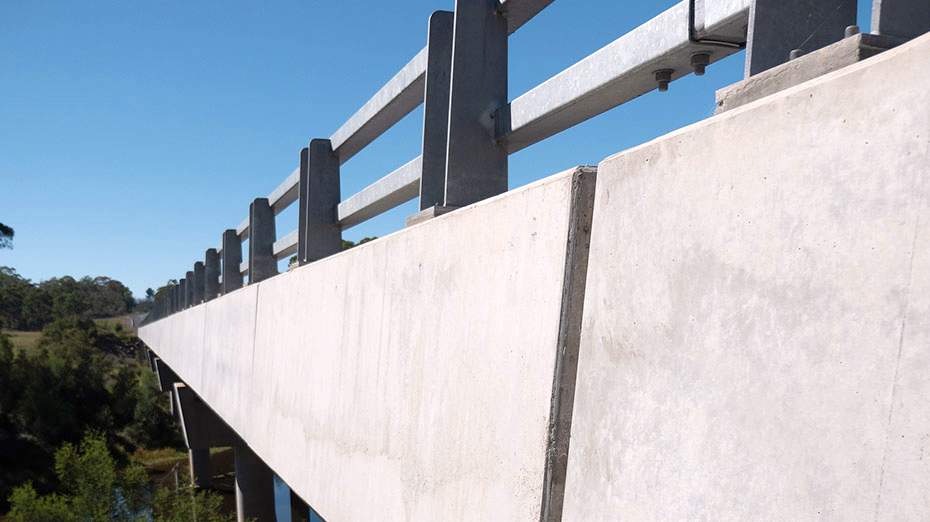
Precast crash barriers are high-strength safety structures manufactured off-site in a controlled environment. These structures prevent vehicles from veering off roads and crashing into oncoming traffic.
Precast barriers offer consistent quality and can be rapidly deployed to ensure road safety. They are widely used in road infrastructure, as they reduce crash severity, thereby protecting drivers and pedestrians.
Careful Manufacturing Process to Ensure Key Features
Durability
Precast crash barriers are made with reinforced, high-grade concrete capable of withstanding extreme weather and high-impact crashes over time.
Modular Construction
These barriers are precast in standard sections, allowing for easy transport, quick installation, and faster integration with existing road safety systems.
Precision Casting
Precast barriers are manufactured in controlled environments for uniform strength, dimensions, and finish.
Steel Reinforcement
Safety barriers feature internal reinforcements that enhance their structural integrity and resistance to cracking, even under high stress.
Application Areas
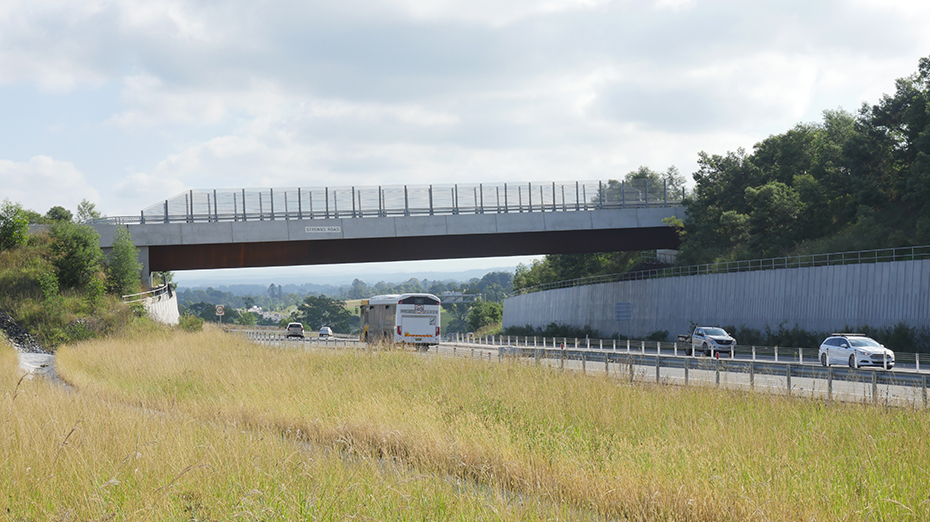
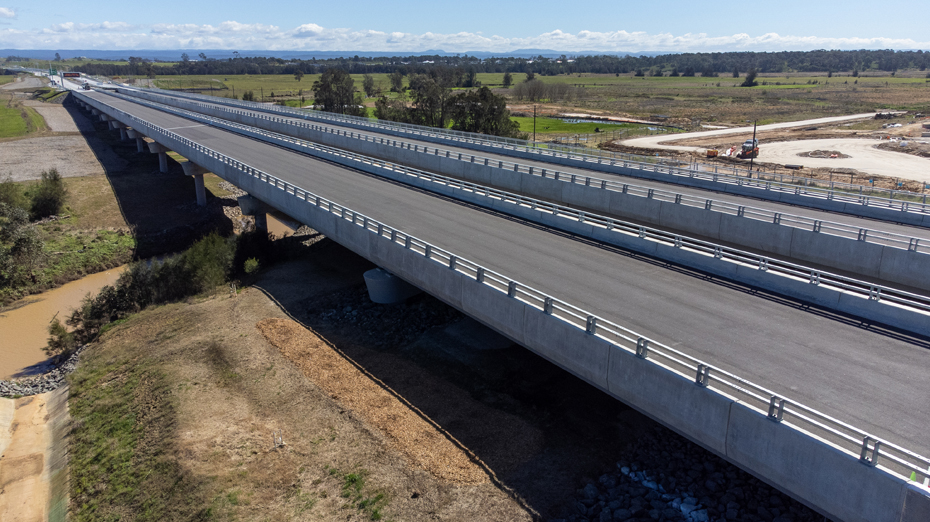
You’ll find barriers installed along road edges, bridges, highways, pedestrian zones, and construction areas to separate roads and provide protection from sudden collisions.
Precast barriers provide reliable and fast safety solutions, regardless of the type of road environment.
Why Barrier Design Saves Lives
Preventing cross-lane crashes
Road authorities install safety barriers to contain and direct cars when they leave their lane. Barriers keep cars from crossing into oncoming traffic flow and causing head-on collisions. Confining vehicles to their side of the road greatly reduces the risk of crashes, roadside incidents, and injuries.
Protecting construction workers or pedestrians
In construction and work zones, barriers shield moving traffic and people, absorbing impact and preventing vehicles from entering areas where workers are present, thereby significantly reducing injuries and crashes.
Minimising secondary collisions
Barriers slow vehicles during a crash. These reduce the chances that an out-of-control car will crash through other lanes or traffic. Safety barriers control the path of crashing vehicles, minimising secondary collisions that may involve other vehicles.
MASH Crash Tests
The Manual for Assessing Safety Hardware (MASH) is a set of testing procedures and safety guidelines, regarded as Australia’s preferred method for assessing road safety barriers by the Austroads Safety Barrier Assessment Panel. Testing is a critical step for barrier approval for use on Australia’s road networks.
An example of a precast barrier that has successfully passed MASH TL-3 testing is the T-LOK Barrier. This longitudinal F-type barrier has received approval from the Austroads Safety Barrier Assessment Panel (ASBAP) for speeds up to 100 km/h. The T-LOK Barrier can be fitted with anti-sight or debris screens to provide additional protection for workers from items falling from passing trucks.
Key Safety Benefits of Precast Concrete Barriers
High impact resistance
Barriers made from precast concrete can withstand high-speed collisions without crushing or breaking apart. Steel or plastic barriers, on the other hand, bend, dent, or break upon contact, making them unsuitable for high-impact use. Concrete barriers effectively absorb and dissipate crash energy, ensuring the safety of vehicles, pedestrians, and surrounding structures.
Stability in all weather conditions
Concrete barriers will never lose their shape or form, even in the face of extreme weather conditions such as heavy rain, wind, or heat. These are reliable all year round, regardless of the weather type. In contrast, plastic barriers may shift or become less effective during harsh weather, whereas steel bars expand or contract, which can significantly impact alignment.
Predictable performance under pressure
You can count on precast concrete barriers for their consistent quality and design and predictable performance. They deflect and redirect cars during collisions, avoiding rebounds. Steel barriers may create sharper redirection angles when struck, while plastic barriers often fail during strong impacts.
Low risk of rollover or penetration
Concrete barriers prevent vehicles from riding up on the side of the road and flipping over. Meanwhile, vehicles have a higher risk of breaking steel and plastic barriers and may roll over during severe crashes. These can pose a significant danger to drivers and pedestrians.
Complying with Australian Standards
We work with you to ensure that your design of precast concrete barriers meets or exceeds Australian Standards for safety and reliability.
MASH Compliance
We manufacture all our precast concrete barrier products to meet MASH standards. We ensure they perform safely and predictably, especially in real-world scenarios. Our barriers provide total confidence for road authorities and contractors.
AS 5100.2 Standards
We closely follow AS 5100.2, the Australian Standard that covers bridge and road safety barriers. Most traffic barrier designs that are approved by state transport authorities will have been designed for use in local traffic loads and road conditions, making them easy to integrate into various projects.
State Transport Authority Regulations
We are familiar with working on projects that align with the specific requirements of state transport authorities, ensuring smooth approval and compliance. Road authorities like Transport NSW, VicRoads, and others will have approved barrier designs popular for use in infrastructure projects. This streamlines project delivery and minimises costly delays or rework.
Certified testing ensures barriers perform as expected under severe conditions, providing the utmost protection for drivers and pedestrians from risks.
Why Choose Ozcast for Safety-Focused Barrier Supply
When it comes to road safety, our name stands out as the most trusted provider of high-quality, compliant precast concrete barriers.
Custom design and fast production
We provide tailored solutions, designing barriers to meet your unique project needs or challenges. Our efficient manufacturing process ensures fast turnaround times even under strict deadlines.
ISO-certified and National Precast members
We are ISO certified for quality, safety, and environment-friendly practices. We are also members of the National Precast Concrete Association Australia, staying at the forefront of innovation and best practices.
Proven track record in complex infrastructure builds
Our expertise precedes us. We have successfully delivered solutions for Australia’s major highways, urban projects, and bridges, earning a strong reputation for reliability and technical knowledge. Our clients trust us to handle complex requirements and deliver results even on large-scale or high-risk projects.
Choose Ozcast for Precast Safety Crash Barriers
Planning a safety-first road or infrastructure project? Contact Ozcast to learn how our certified precast crash barriers can help protect drivers and pedestrians, saving lives.