
These essential systems are products of layered compliance requirements rather than a single standard. And while AS 3850.1:2015 provides a baseline standard for precast concrete work, Transport for NSW (TfNSW) adds project-specific requirements for quality, testing, and traceability.
Successful project delivery requires a thorough understanding of how general Australian standards interact with more complex and critical TfNSW specifications. Whether you’re an engineer or a manager, managing these requirements is critical to achieving compliance and expected project outcomes.
The Baseline: Understanding AS 3850.1:2015
AS 3850.1:2015 offers a baseline requirement for the design and testing of various components in precast concrete. It includes mandatory requirements for material testing, systems, and equipment utilised for lifting, handling, and erection of precast elements. AS 3850.1:2015 replaced the 2003 standard [1].
AS 3850.1:2015 key components:
Working Load Limits and Design
- Minimum safety factors for lifting inserts against failure of the anchor, concrete, or any associated reinforcement.
- Compatibility of inserts with lifting clutches.
- Manufacturers must provide WLL ratings verified by testing.
- Design engineers must confirm that the concrete element’s lifting design follows AS 3850
Testing of Cast-in Lifting Inserts
- Testing of all lifting systems according to specific methods.
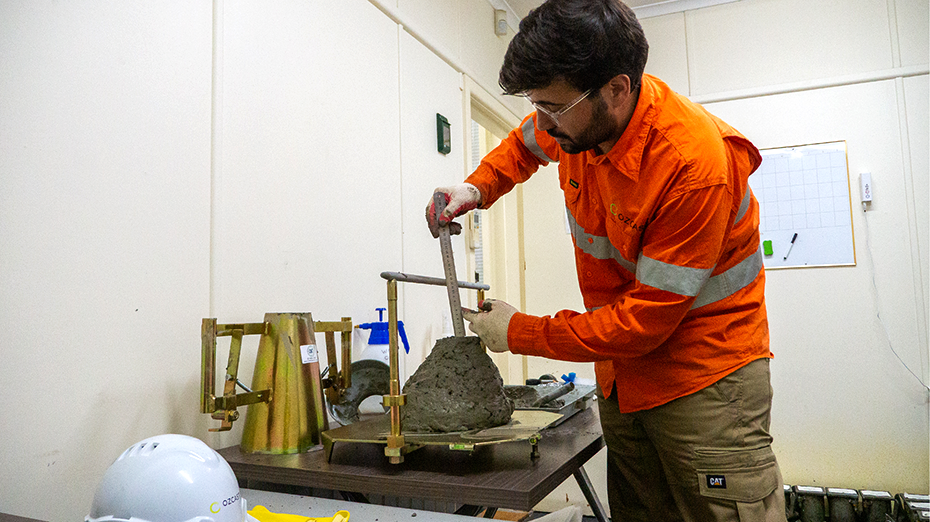
- Strength testing covering concrete strength tests during lifting (25 MPa or higher) to ensure safety.
- Component testing for pull-out capacity, shear, and edge-distance performance [2]
Quality Control to Ensure Workplace Safety
- Strict documentation of inspections during pre- and post-pour
- Verification of concrete strength, ensuring achievement of minimum requirements for lifting.
- Guidelines on the re-use of inserts
- Site inspections before lifting with a licensed rigger, verifying the state of inserts
- Documentation, certifications and manufacturer specs availability on-site [3]
The TfNSW Overlay: Why State Specifications Go Further
National standards can be quite broad or general. Transport for NSW addresses this by providing additional specifications for safety, reliability, and technical requirements for all infrastructure projects.
The Reality
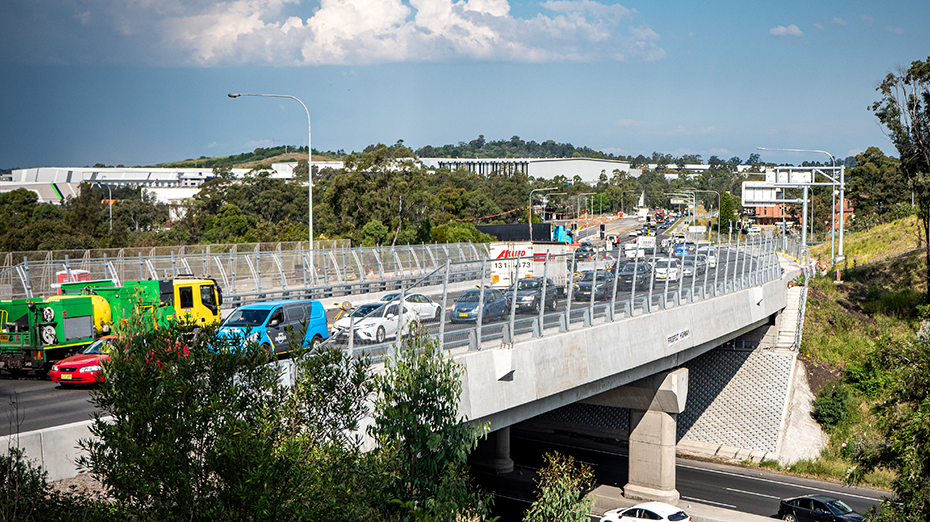
State infrastructure projects must last, prevailing over the elements and usage changes. This is why TfNSW technical directions impose stricter requirements for testing, material traceability, and dimensional controls, specifically for precast elements. Detailed documentation is also critical, ensuring all precast elements meet long-term durability requirements beyond AS 3850.
Key Differences in Lifting, Handling, and Placement
Let’s look at the two standards closely, covering lifting, handling, and placement.
Traceability Requirements
AS 3850 and TfNSW differ in their traceability requirements. AS 3850 focuses on basic, batch-level traceability, offering only minimum compliance. TfNSW requires material traceability from start to finish, documenting the source, production processes, testing, and final inspection. With this high level of accountability, you can ensure long-life performance of infrastructure projects.
Safety Factors and Load Testing
AS 3850 is a general guideline for safety and structural integrity of components. Meanwhile, TfNSW sets a higher standard for safety, requiring manufacturers to obtain third-party verification from NATA-accredited testing centres.
Placement Tolerances and Casting Precision
TfNSW imposes tighter placement and alignment requirements, requiring precise mould design, controlled curing processes, and advanced grouting techniques. With all components seamlessly integrated during installation, there will be no need for rework, and structural integrity is guaranteed.
Mitigating Project Risks Through Compliant Procurement
Procuring precast components that merely meet baseline requirements poses significant risks.
The Impact
In the event of failed TfNSW audits, contractors will face numerous costly issues, including rejected deliveries, rework, and delays. They face contractual penalties, liquidated damages, and strained relationships with their clients. On the worksite, stand-downs are inevitable, which interrupt critical activities and reduce team productivity.
If you’re a contractor, you must consider compliance early in the supply chain rather than as a requirement for final inspections. You must ensure manufacturers, suppliers, and designers understand AS 3850 and TfNSW throughout all the project phases. Setting compliance early will help you reduce procurement risks, protect your margins, and promote smoother installation.
Keep Projects Moving. Contact Our Team Today.
Managing dual compliance frameworks is a complex process, but it is critical to ensuring the safety and durability of NSW infrastructure.
Ensure your upcoming project stays on schedule with components that meet the industry’s highest standards. Contact Ozcast today to discuss your precast requirements.