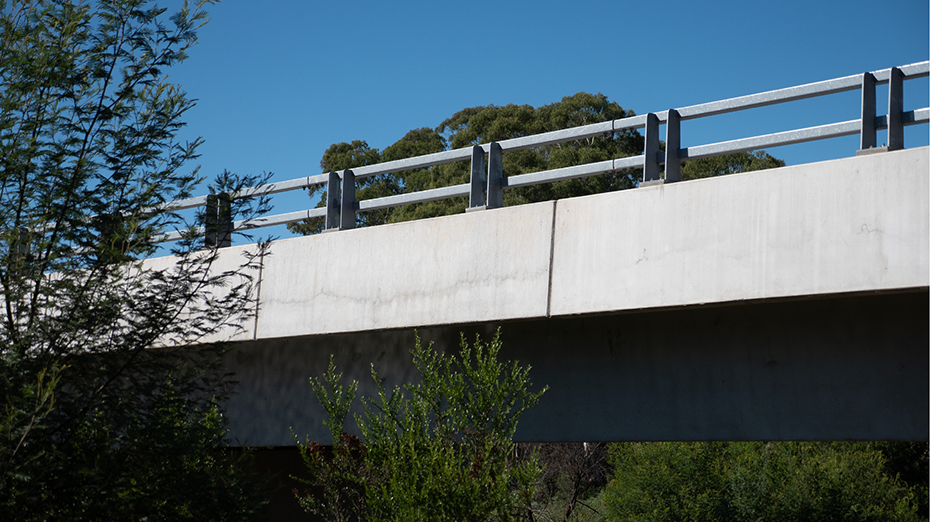
You need safe, long-lasting bridges that can carry the inevitable weight of traffic and their own weight. Safe bridges require effective, robust road safety barriers.
In Australia, the Manual for Assessing Safety Hardware (MASH) is a set of testing methods and safety guidelines for road safety barriers by the Austroads Safety Barrier Assessment Panel [1]. Many road safety barrier manufacturers claim compliance, but the shift to MASH separates high-quality infrastructure elements such as safety barriers, from liability-heavy alternatives.
For Tier 1 projects requiring full compliance with TL-4 and TL-5 performance metrics under MASH standards, Ozcast is your trusted partner. We ensure every precast concrete solution is manufactured to exact specifications with uncompromising quality control. These meet project requirements and compliance standards without deviation.
Why MASH Ratings are Non-Negotiable for Modern Infrastructure
MASH testing started in 2009, replacing the 1993 National Cooperative Highway Research Project (NCHRP) report 350 [2]. It covers standards for crash testing of all permanent and temporary highway safety elements, including guidelines for evaluating test results.
Under the MASH system are critical testing criteria:
TL-4 Requirements
This criteria requires permanent bridge safety hardware to withstand heavy vehicle impacts of up to 10,000 kg, including single-unit trucks moving at tough highway speeds. Barriers tested at this level should safely contain and redirect vehicles without penetration or rollover beyond acceptable limits.
TL-5 Requirements
Safety hardware tested for this criteria must withstand heavier impacts, including large vehicles such as tanker trucks of up to 36,000 kg. These systems are critical in high-risk, high-speed scenarios, where maximum containment is essential to prevent catastrophic barrier breaches.
Precast contractors who specify non-compliant products that have not been tested under the MASH system risk significant legal liabilities if a failure occurs. In the event of an incident, non-certified products with missing performance data can directly affect insurance claims, contractual obligations, and duty-of-care accountability.
The Ozcast Value: Precision Precast vs. The Unpredictability of In-Situ
There’s incomparable value in partnering with the right precast supplier. Our precast concrete elements are precisely engineered to withstand high-impact loads under TL-4 and TL-5 scenarios. We ensure certified containment performance with no room for compromise.
Controlled Manufacturing
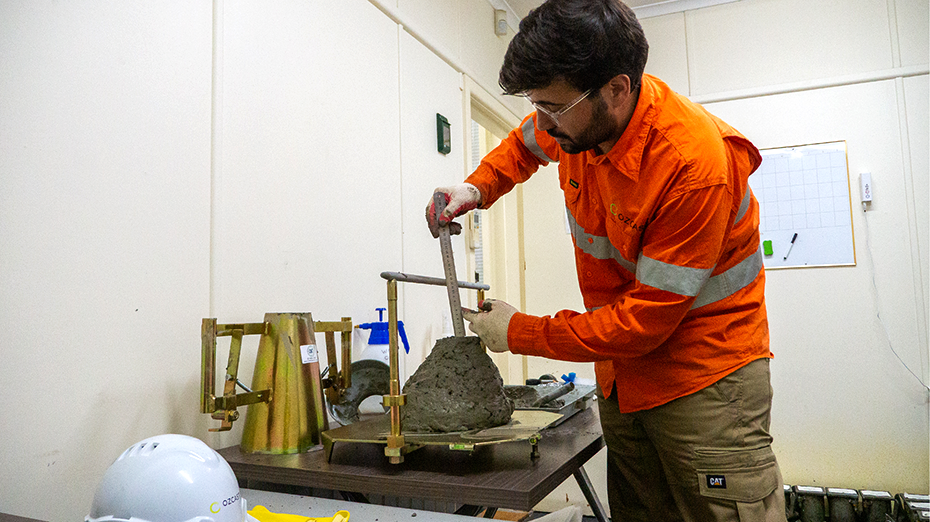
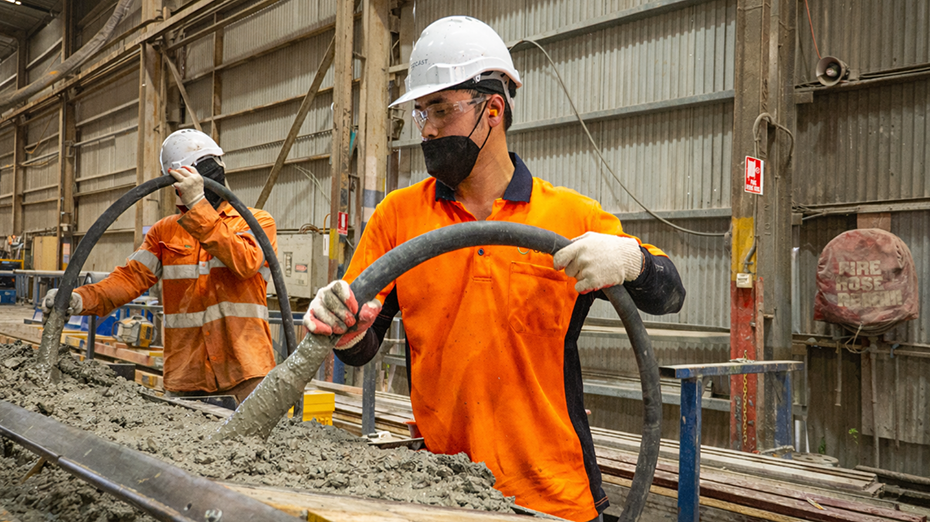
Ozcast manufactures precast in controlled environments. Every concrete mix, dimension, and tolerance is carefully monitored and documented. On the other hand, in-situ concrete pours are cast on site and exposed to site conditions, which significantly affect the variability and consistency of the end product.
Weather Risks
On-site concrete pours are exposed to rain, wind, humidity, and temperature extremes, which affect the concrete’s overall strength and finish. Precast is manufactured in factories, thereby greatly reducing weather-related interference and improving curing and performance.
Consistent and Compact
In-situ concrete elements rely on manual vibration to ensure consistency. However, these vary greatly between workers and teams, which often leads to voids or honeycombing. Meanwhile, precast concrete manufacturing utilises controlled vibration techniques to ensure consistent density and structural integrity.
Reinforcement Accuracy
On-site reinforcement systems may shift, especially during pouring, which impacts the concrete’s structural performance. Factory-manufactured elements are securely reinforced in fixed jigs that maintain exact positioning.
Curing Time Control
Field curing conditions may fluctuate due to weather, significantly affecting the concrete’s long-term durability. Precast concrete is cured in controlled conditions to achieve consistent strength and durability.
AS 5100.1 Bridge Parapet Compliance
Compliance with the AS 5100.1 requires strict dimensional and structural accuracy. This level of compliance is impossible to ensure when concrete is manufactured in the field, however, this is standard practice at Ozcast.
AS 5100.1 Framework: Compliance as a Defensive Moat
The AS 5100 bridge design standard is critical to Australia’s broader bridge design framework, providing minimum structural safety, durability, serviceability, and performance requirements [3].
It covers:
- Impact load resistance combinations
- Material specifications
- Detailing precision
- Safety factors
This is covered to ensure bridges and other safety elements are reliable and meet strict design standards in Australia’s unique road and weather conditions.
Bridge safety standards in Australia are intentionally rigorous and conservative, serving as a safeguard against non-conforming, under-tested, or low-cost products, mostly manufactured overseas, entering the country’s infrastructure industry. Allowing these substandard materials to be used leads to failure and severe, catastrophic consequences.
What It Means to You
Strict technical compliance is more than an obligation but an advantage. When you align with the full intent of AS 5100.1, you create a defensible barrier against low-quality competitors whose products cannot pass bridge barrier crash testing, documentation, and engineering validation.
Remember, in high-risk infrastructure projects, compliance is your defensive moat – protecting projects from performance uncertainty, legal exposure, and reputational damage. Applying standards properly eventually elevates your project quality.
Mitigating the Risk of Non-Conforming Products (NCP)
AS 5100.1 serves as your protective shield, ensuring that every precast concrete parapet, barrier, or safety element used in your project is expertly engineered, tested, and documented to withstand the conditions your project will face.
Choosing compliant, certified precast crash barriers may come with an initial higher cost, but it protects your budget, schedule, and reputation from liability.
Conclusion
Compliance with the MASH system ensures bridge projects are effective and durable, with performance-level barriers that protect vehicles and pedestrians. MASH is the ultimate risk-mitigation tool for bridge projects, protecting your budget and reputation.
Don’t take the risk with non-conforming solutions. Partner with the experts in precast precision. Contact Ozcast today to discuss your upcoming infrastructure project.