When it comes to protecting lives and infrastructure, barriers must be able to perform in worst-case scenarios, such as semi-trailers that are travelling at 100 km/h, buses on bridges, and high-speed impacts in work zones.
We’ll provide you with insights on how crash barriers are tested under MASH (Manual for Assessing Safety Hardware) standards, the differences between TL-3, TL-4, and TL-5 levels, and how Ozcast’s precast concrete barriers are engineered to perform when it matters most.
Why Testing for Extreme Scenarios Matters
Not all vehicle accidents are the same. Crashes involving heavy vehicles, such as trucks, buses, and semi-trailers, have a significantly greater impact, damage, and danger than those involving passenger vehicles. These mishaps typically happen at great speeds on regional highways, transportation routes, or near construction zones, where the consequences of barrier failure can be catastrophic.
According to the BITRE, roughly 16% of road fatalities in Australia involve heavy vehicles, even though they only make up a small percentage of total registered vehicles. Given these vehicles weigh 3-4 tonnes or more, its combined mass and velocity make these incidents fatal.
Roadside barriers should be engineered not just for typical traffic but for worst-case, high-mass, and high-speed collisions. Traditional low-spec barriers or a generic design may perform adequately under light passenger vehicle impacts but offer little to no protection when hit by a 10-tonne truck or a larger-sized truck.
For locations where safety is critical, especially those managed by state and federal transport agencies, barriers should perform well under extreme situations. Proper crash testing and MASH compliance ensure that a barrier can contain, redirect, or withstand the impact forces without any fatal failures.
This is why choosing the right barrier begins with understanding these real-world crash risks and ensuring every installation meets the demands of the vehicles traversing the roads.
How Barriers Are Crash-Tested Under MASH Guidelines
MASH, or the Manual for Assessing Safety Hardware, is an international standard for testing roadside safety. As Australia’s preferred testing method, it validates that barriers, guardrails, and end terminals can safely withstand impacts from a range of vehicle types and conditions.
Crash tests are generally categorised according to Test Level (TL), with each simulating a particular vehicle size, weight, and speed. The description of each major level is listed below.
MASH TL-3
This is the level for passenger vehicles. An example test may consist of a 2000 kg car at 100 km/h, impacting at an angle of 25 degrees.
MASH TL-4
This test level is for single-unit heavy trucks and buses. Common test requirements for this level are a 10,000 kg truck at 90 km/h with an impact angle of 15 degrees.
MASH TL-5
Finally, this test level is intended for articulated vehicles (trucks) and semi-trailers. An example test criterion for this is a 36,000 kg semi-trailer travelling at 100 km/h with an impact angle of 15 degrees.
Each test level gauges how a barrier performs in containment, redirection, and deceleration before it can be approved for use on roads. Let’s understand these core features in a crash or impact scenario.
- Containment is defined as the ability of a barrier to prevent the vehicle from breaching or vaulting the system.
- Redirection indicates the barrier’s capability to steer a vehicle safely back onto the road.
- Deceleration is a survival impact measurement for vehicle passengers.
For a barrier to pass testing, it must exhibit structural integrity, maintain passenger safety, and pose minimal risk of dangerous debris or rollover. It only fails if it manifests any of the following outcomes: high deflection, panel dislodgment, or failure to contain the vehicle on impact.
For engineers responsible for specifying barriers in safety-critical areas, it’s important to understand test-level classifications. Transport corridors, motorways, and bridges typically require TL-4 or higher barrier performance to achieve compliance and safeguard both road users and infrastructure.
Performance of Precast Barriers Under Impact Stress
When a vehicle crashes into a roadside barrier at high speed, the forces involved are substantial. Precast concrete barriers are best suited for these types of scenarios because of their mass, density, and structural integrity.
Upon impact, a barrier should absorb, redirect, or contain the vehicle’s impact. It involves a complex balance of physics, where the vehicle’s kinetic energy is transferred into the barrier system, cushioning the impact without failing or displacing excessively.
Precast barriers are designed for these crash situations. Its huge mass resists displacement, while its reinforced concrete cores provide strength and rigidity under stress. Unlike lightweight systems comprising plastic material, they do not rely on surface-mounted anchor points, making them more suitable for both permanent and semi-permanent installations.
Here are a few key performance factors for precast barriers:
- Joint design: Properly engineered connections reduce lateral movements and spread impact loads across sections.
- Anchoring systems: For permanent installations, cast-in or bolted anchoring ensures barriers stay firmly in place.
- Foundation support: Barrier placement on level, prepared surfaces improves stability during extreme impact events.
Precast barriers also perform reliably over time, given their high specification during manufacturing. They can be produced under controlled conditions, batch-tested, and installed with consistent quality across projects.
Ozcast’s precast barrier range is developed with real-world impact performance in mind, ensuring our products meet and exceed the required MASH levels for high-risk applications.
Applications That Require High-Performance Barriers
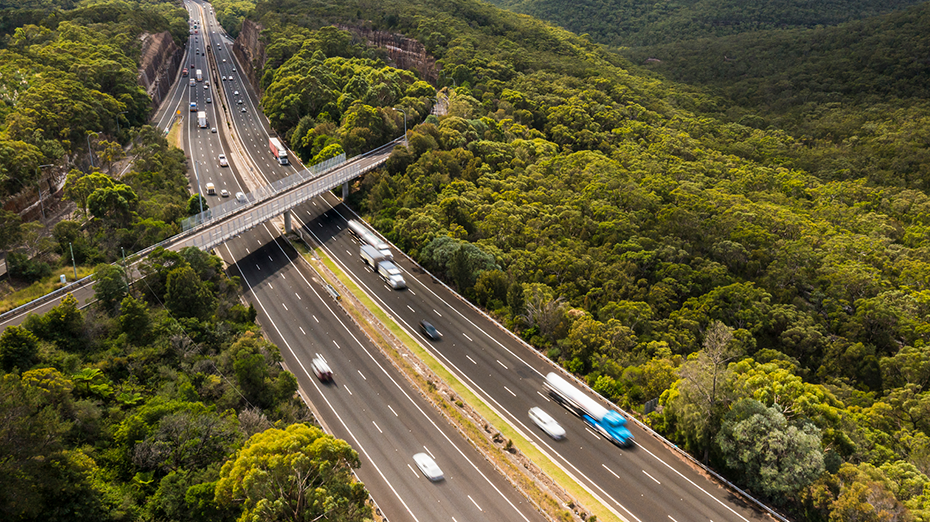
High-performance barriers are crucial for redirecting out-of-control vehicles in a specific direction while withstanding collisions from heavy vehicles. These are mostly located in high-speed traffic zones, requiring only fully compliant, crash-tested barrier systems to be in place.
Typical applications of high-performance barriers include:
Freight corridors and regional highways
Given the high volumes and speeds of trucks, freight corridors and regional highways should strictly utilise TL-4 or TL-5 barriers.
Bridges and elevated roadways
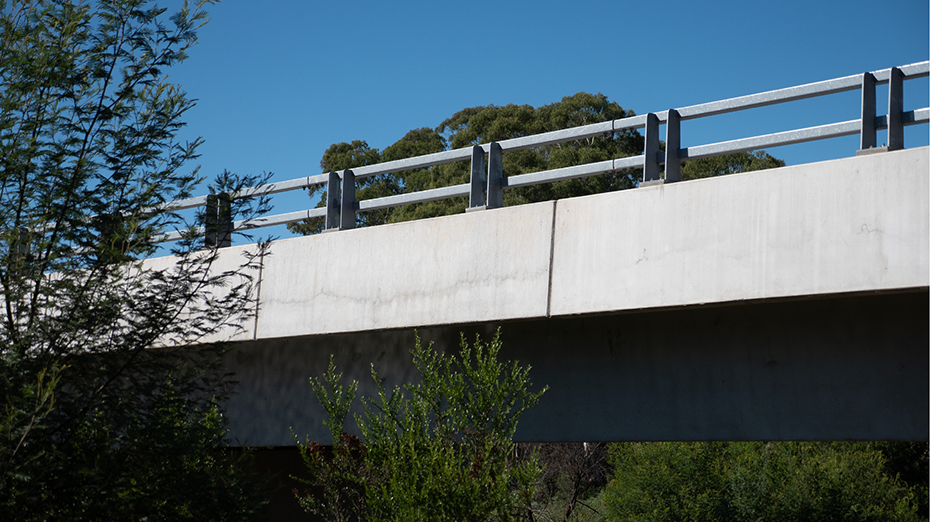
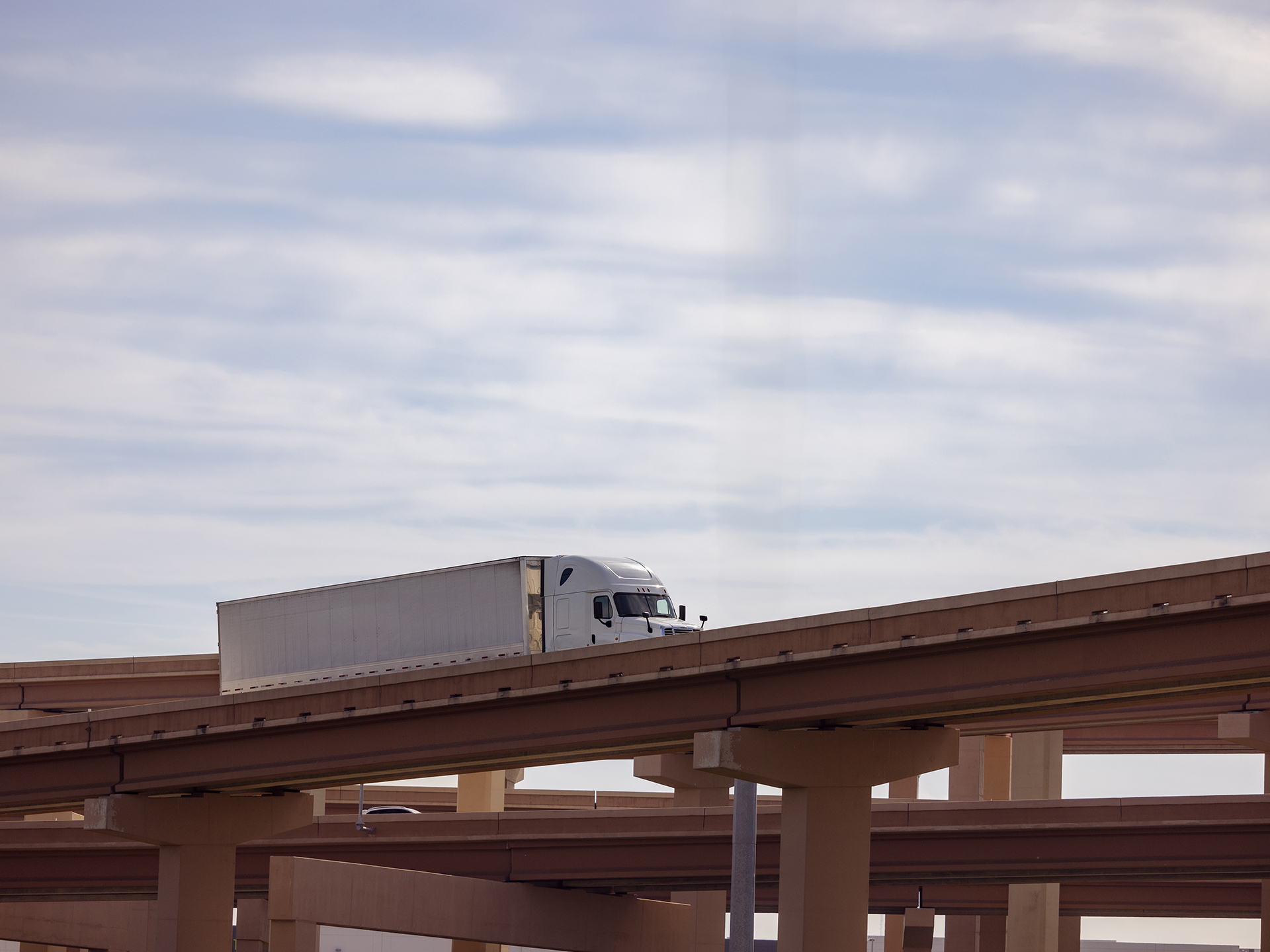
Barrier containment is essential in preventing fatal drops or rollovers, which can typically occur on bridges and elevated roadways.
Rail corridor protection
The prevention of vehicular intrusions onto rail lines requires strong and anchored systems, making the presence of high-performance barriers highly critical.
Construction zones and roadside work sites
Safety highly depends on proper containment where fast-moving traffic passes close to temporary work areas. MASH-compliant barriers can redirect errant vehicles, thus reducing work zone-related crash incidents.
Government contracts and large-scale infrastructure works increasingly specify MASH-compliant barriers as a condition of approval. With the risk of legal liability and public safety failure, barrier compliance is a legal and safe road responsibility, rather than a checklist.
Ozcast’s heavy-duty precast systems are designed with these scenarios in mind, making them ideal for any project that involves heavy vehicles, high speeds, or elevated risk exposure.
Why Engineers Choose Ozcast For Barrier Projects
Since performance matters in every project, engineers and contractors across NSW trust Ozcast to deliver compliant, high-quality barrier solutions in road builds.
Our precast concrete barriers are built for impact, from TL-3 urban projects to T-4 and TL-5 applications that involve trucks, buses, and transportation routes. Whether your site involves a freeway upgrade or a rail corridor interface, we offer engineered barriers tailored to your safety and compliance needs.
Why should you choose Ozcast?
- Proven MASH-compliant designs for TL-4 and TL-5 crash scenarios
- Custom barrier engineering to suit complex project specifications
- Fast-tracked production and delivery from our local manufacturing facility
- ISO-certified process and National Precast Concrete Association membership
- End-to-end support, from specification assistance to on-site coordination
Our team works closely with engineers, civil contractors, and transportation authorities, ensuring that every project is completed on time, to specification, and without compromise from start to finish.
Ozcast has a track record of supplying TL-4 and TL-5 compliant barriers for a transportation route realignment in regional NSW, enabling continued B-double truck access during road widening works while ensuring full compliance with state infrastructure safety codes.
Containment failure is not an option, so we only provide the highest MASH test level rating for barriers that meet every road project’s requirements. This is why leading Australian companies rely on Ozcast, as we deliver robust, tested precast concrete solutions that meet even the most extreme scenarios.