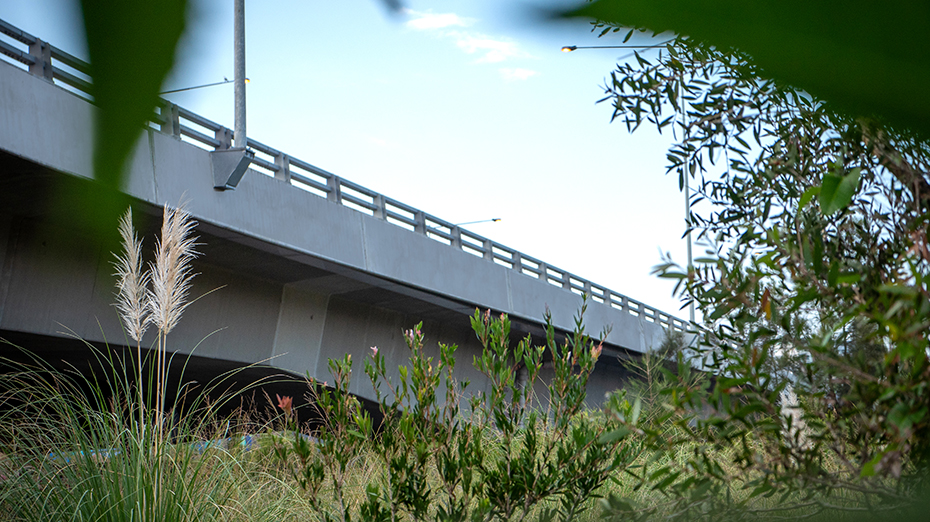
Precast concrete has a high thermal mass; therefore, it does not heat up or cool down quickly compared with other materials. This makes precast ideal for infrastructure projects such as bridges, concrete barriers, retaining walls, and other outdoor structural elements that are exposed 24/7.
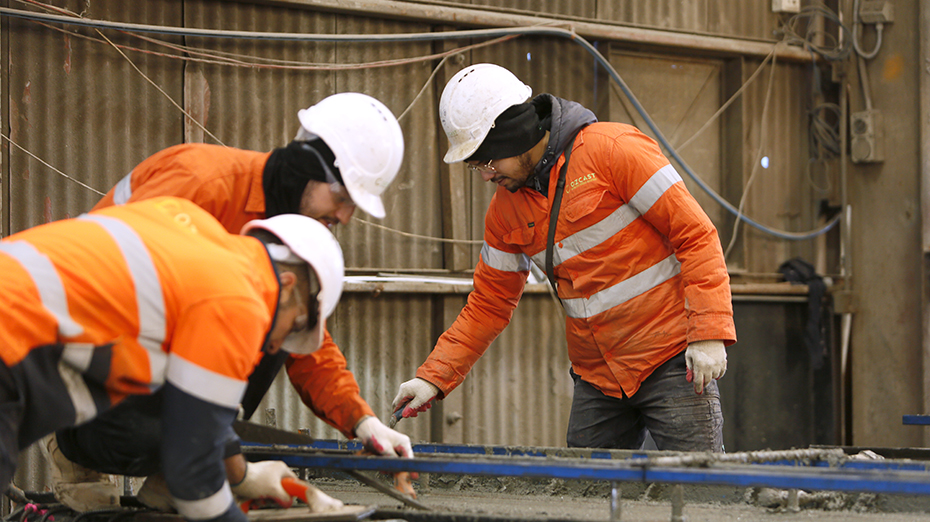
And because precast concrete is manufactured in a controlled facility, you can ensure superior quality and durability. You will meet the construction schedule associated with our portion of the project, regardless of weather conditions.
Our expertise in manufacturing precast concrete elements helps you create durable, reliable, high-performance structures that last for years. Let Ozcast help you with your precast concrete needs.
Why Thermal Mass Matters in Precast Concrete Infrastructure
Thermal mass in precast concrete allows the material to act like a “thermal battery,” naturally absorbing, storing, and releasing heat over time to maintain stable temperatures. This amazing quality of precast concrete contributes to its durability and structural integrity: Precast concrete can:
- Resist wear, impacts, and weather, which are significant for outdoor precast elements that are constantly exposed.
- Manage, absorb, and slow the transfer of heat to relieve stress on structural components.
- Act as a barrier to heat transfer and can manage temperature fluctuations that could induce cracking and other structural issues.
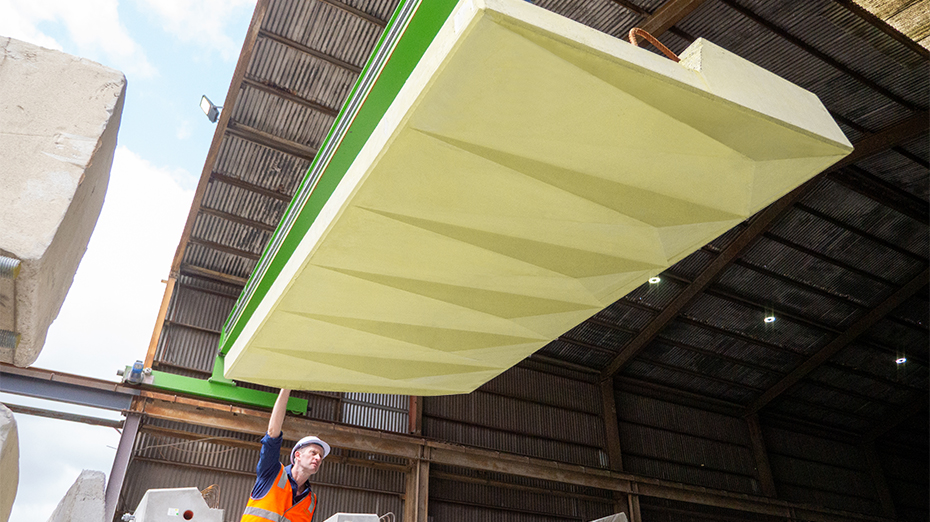
Therefore, considering precast for various infrastructure projects ensures durability and sustainability [2]. The added flexibility in precast concrete use also makes it ideal for creating a range of structural shapes and finishes.
Thermal Cycling and Its Impact on Precast Concrete Elements
Sydney experiences moderate temperature fluctuations throughout the day. You’ll feel cool at the start of the day, then it warms up and peaks in the early afternoon. The suburbs are more likely to experience higher and more extreme daily peaks than those in rural areas [3]
And while this seems perfect for the average resident, it’s a challenge for project managers who must ensure the structural integrity and long-term durability of infrastructure projects.
Thermal cycling from daily or seasonal temperature fluctuations causes significant, cumulative damage to construction elements, including dense precast concrete. Repeated thermal expansion and contraction can cause the cement paste and aggregates to move, creating internal stresses. Eventually, it leads to:
- Microcracks that widen over time affect the concrete’s load-bearing capacity.
- A reduction in concrete’s compressive and tensile strengths leads to degradation.
- Increase in concrete porosity, allowing water to penetrate more easily.
Over time, thermal expansion and contraction cause surface scaling and cracking. These lead to fatigue, reducing a structure’s overall lifespan.
Precast concrete is generally designed for durability, but it remains vulnerable to the cumulative effects of thermal cycling. This is why at Ozcast, we ensure proper precast design and apply the latest strategies and treatments to mitigate thermal stress.
Reducing Thermal Stress in Precast Concrete Panels
Precast concrete’s high thermal mass helps slow temperature changes, reducing the rate of thermal expansion and contraction. Precast experiences less thermal shock, which lowers cracking compared to thin or lightweight construction materials.
Here are ways thermal stress can be alleviated:
- Applying surface treatments to precast concrete (reflective and other specialised coatings) can greatly reduce surface temperatures and the effects of stress.
- Curing in a controlled environment allows us to manage heat and ensure proper insulation of precast forms for the highest quality of results.
- Optimised handling of precast elements during lifting and transportation to prevent cracking due to thermal shock.
- Using phase-change materials (PCM) to absorb heat, especially in hot climates or environments.
These measures improve the thermal insulation of precast concrete, preserving its high durability and efficiency.
Precast Concrete for Durable, Low-Maintenance Infrastructure
Think of precast concrete as the gold standard in construction materials, the choice for strong and durable bridges, retaining walls, barriers, and other elements, even under constant environmental exposure and stress.
Precast concrete’s high thermal mass helps it absorb heat slowly and resist rapid temperature changes. This reduces the rate of expansion and contraction, which often causes cracking and deterioration.
Infrastructure projects are expected to perform for decades. Thus, having fewer cracks could mean lower maintenance requirements, reduced need for repairs and interventions, and an extended service life. Together with controlled factory production and consistent curing conditions, precast provides reliable, low-maintenance performance, making it ideal for public infrastructure projects.
Why Lightweight Materials Fall Short in Non-Residential Applications
Industrial and infrastructure projects may utilise lightweight construction materials to improve installation speed and ease. These may include the following:
- Metal cladding and sheet metal panels
- Fibre cement or thin panel systems
- Timber-based or engineered lightweight panels
- Lightweight modular wall systems
- Composite panels with metal skins but insulated or lightweight cores
These materials are indeed suitable for certain applications; however, they respond quickly to temperature changes. Rapid heating and cooling cause frequent expansion and contraction of the material, placing stress on joints, fixings, and connections. Eventually, repeated movement leads to:
- Failure of joints
- Loosening of fixings
- Higher risk of water damage and corrosion
- More frequent inspections and maintenance.
In contrast, the high thermal mass of precast concrete allows it to naturally absorb and slowly release heat, reducing thermal movement and stress. Precast is the better option for constructing bridges, barriers, and other long-lasting structures, where durability and stability must never be compromised.
Conclusion
Using precast concrete is no longer a structural choice but a smart strategy, especially for infrastructure projects in NSW. Not only will precast improve durability and structural performance due to its high thermal mass, but it will also reduce long-term maintenance costs.
Contact Ozcast to discuss how our precast solutions can meet your project needs.